Guides / Quality and Compliance
Supplier Change Notification: What a Machining Shop Must Tell You and What You Do With It
November 1, 2026
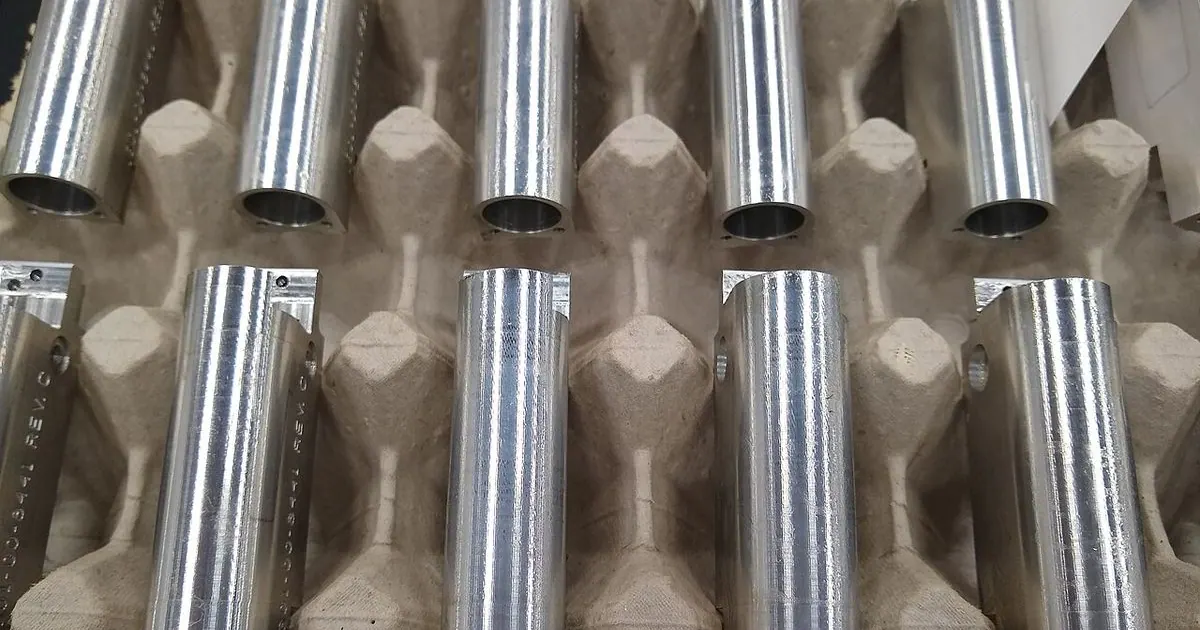
A machining supplier should tell you before it changes anything that could affect whether your part still meets its requirements. In practice that means the material source, a sub-tier process vendor, the process route, tooling or coolant on sensitive parts, the machine and the site. The shop’s duty ends with the notice. Your duty starts there: you decide whether the change touches your device, you record that decision and, for some devices, you tell a regulator.
Two earlier guides on this site cover how to write the change clause into a quality agreement and why the clause matters under the QMSR. This one starts after the clause is signed. It covers what a good notice looks like, how to sort changes by consequence and what to do in the week the notice lands.
Where the duty comes from and where it stops
The US rule that applied until 1 February 2026 was explicit. Purchasing data under 21 CFR 820.50(b) were to include, where possible, an agreement that suppliers notify the manufacturer of changes in the product or service “so that manufacturers may determine whether the changes may affect the quality of a finished device”.
The QMSR took effect on 2 February 2026 and replaced that section with ISO 13485:2016 clause 7.4. FDA’s own commentary on the final rule describes clause 7.4 as supplier evaluation proportionate to the effect of the purchased product on the finished device, with monitoring and re-evaluation of suppliers. The notification idea did not disappear. FDA’s MDSAP purchasing module says its auditors confirm a written agreement in which the supplier notifies the manufacturer of changes to the product. The module text we opened gives no clause number. Purchasing information is clause 7.4.2 according to the RAPS clause comparison table, and that table is the only basis for the number here. We did not read the ISO text, so we cannot say which clause carries the agreement, or whether the standard requires it in every case or leaves it to the manufacturer to decide when it applies. What you do once you know is your own procedure: decide whether the change affects your product or the device, and keep a record of that decision.
The EU frame is similar in effect. Article 10(9) of Regulation (EU) 2017/745 requires a quality management system that covers procedures for managing modifications to the devices and the selection and control of suppliers and sub-contractors. Where a planned change is substantial for the quality system or the device range, Annex IX section 2.4 requires the manufacturer to inform its notified body.
Notice where the duty stops. None of these texts puts an obligation on a machine shop to file anything. The obligation runs from the device company to the regulator, and from the shop to you only through the agreement you sign. If the agreement is silent, the shop owes you nothing here.
Which changes are worth a notice
Most shops can name the big ones. The costly surprises are the small ones that leave the drawing untouched. This table sorts them by what you usually do when told.
| Change | Machine shop example | What you typically do on receipt |
|---|---|---|
| Material source | New bar mill or a different melt for the same grade | Compare the new certificate to your material specification, then run a first article on the first lot |
| Material processing or finish | Bar supplied peeled instead of centreless ground, or a different heat treat condition | Treat as a material change, since the processing is part of the material |
| Sub-tier special process | Passivation, heat treat, laser marking or cleaning moved to another vendor | Ask for the new vendor’s validation records and decide on an audit |
| Process route | Different operation sequence, new CAM post or threading by whirling instead of single-point | Ask what changes in dimensions, surface and burrs, then check the first lot |
| Cutting fluid, tool coating or cleaning chemistry | New coolant brand, a coated tool where an uncoated one ran before | Review residue risk and biological evaluation, see the guide on ISO 10993 and machining residue |
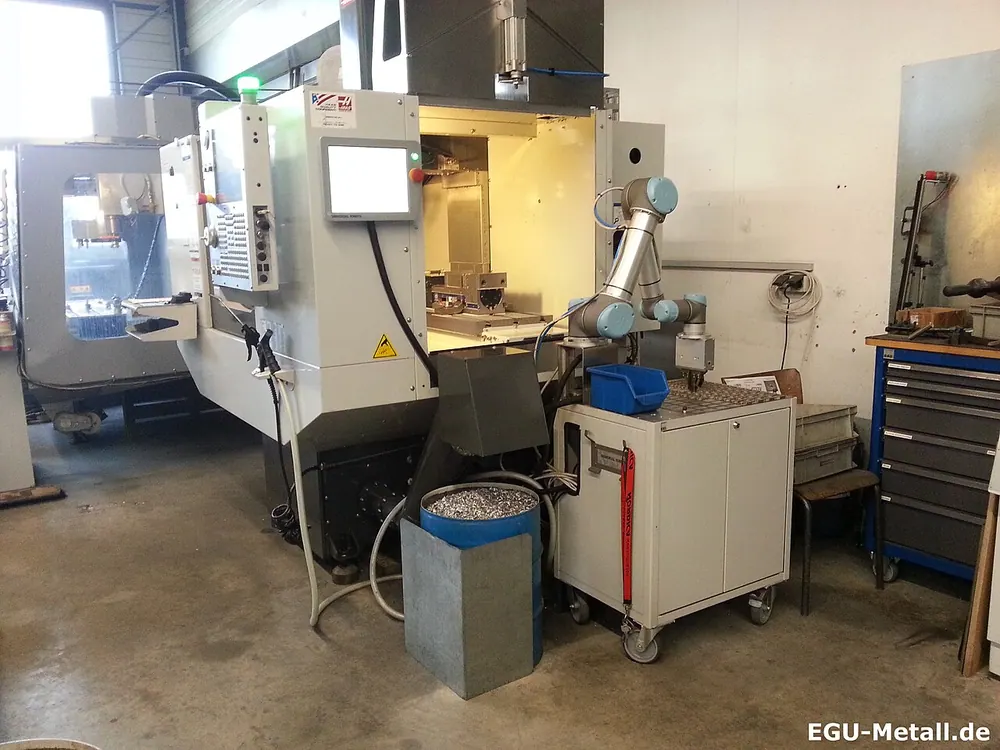
| Machine or work cell | A new machine, or a robot loading an existing mill | Ask for capability data on the critical characteristics from the new set-up |
| Site | Part moved to a sister plant or a new building | Check that the new site is named on the certificate scope |
| Inspection method | New CMM program, different gauge type or a new measurement lab | Review the measurement system evidence and the calibration trace |
The FDA guidance on changes to a legally marketed device supports taking the material rows seriously. In its materials flowchart it says that a change in supplier or in the supplier’s material processing or finishing steps should be answered “yes” to the question whether the material or its processing has changed. It adds that many material changes come from supplier changes and that the manufacturer should run its quality system process to analyse them, even when the new material stays within the original specification. A grade that still meets its standard is not the same as a change that needs no thought.
What a usable notice contains
A one-line email saying “we switched coolant” is a prompt for questions, not a notice. A notice you can act on carries these items:
- The part numbers and revisions affected, and whether other parts of yours are touched.
- What changes, stated as from and to, with names (the old and new vendor, material source, machine or site).
- The reason for the change.
- The cut-over point: the last lot built before and the first lot built after, by lot number.
- The shop’s own assessment of the risk to your part, with the verification or validation data behind it.
- Whether any sub-tier is affected and whether that vendor has been evaluated.
- What the shop proposes for the first affected lot: a first article report, a bridge lot, extra inspection.
- A named contact and a request for your written acceptance before the change goes live.
Item 8 matters most. A notice that tells you after the fact is a report. A notice that asks for acceptance is a control.
On timing, avoid borrowing a number from a forum. No regulation sets a period, and we did not read the ISO text. Choose the number of days in your agreement from your own evaluation time, including the time to run a first article and, for a few devices, to prepare a regulatory submission.
What you do when the notice arrives
Run the same five steps every time, so the file reads the same on every supplier.
- Log and hold. Record the date received. Do not accept lots built after the stated cut-over until you have decided.
- Classify the change against your risk file. Ask what the part does in the device, which characteristic the change could touch and how that links to patient risk. A cosmetic fixture change on an instrument handle and a new passivation vendor on an implant sit far apart.
- Choose the verification. Options run from a document review to a first article, a bridge lot, a requalification of a special process (see IQ, OQ and PQ for machined medical parts) or an on-site audit.
- Check the regulatory consequence. For a device with a 510(k), the October 2017 FDA guidance walks through whether a manufacturing or material change needs a new submission, with risk assessment as the deciding method. PMA devices and EU devices follow different routes, so ask your regulatory lead rather than assume.
- Record the decision and answer the shop in writing. Accept, accept with conditions or reject. Update your approved supplier list and the records that feed the lot record.
Steps 2 and 4 belong to your regulatory and quality people. A matching service cannot do them for you, and neither can the shop.
What a good answer from a shop sounds like
Before an order, a few questions show whether a shop has a real change process or only a promise:
- Which of the eight changes above do you control under a written procedure today?
- Who approves a change before it reaches the floor, and is that person independent of production?
- Do you hold a list of sub-tier vendors by process, with the date each was last evaluated?
- How do you tell which lots were built before and after a change?
- Will you hold the cut-over until we accept in writing?
A shop that answers with names, procedures and a lot-tracking method has done this before. A shop that says “we would let you know about anything major” has not defined major. Our guide on qualifying a machining supplier puts these questions inside the wider qualification.
See how change notices feed monitoring and requalification in the guide to medical device supplier qualification.
What it costs
A notice costs the shop little. The cost sits on your side, in review hours, first articles and any requalification, and sometimes on the shop’s quote as a charge for change evaluation. Ask whether the quote prices it, in the same way you would ask about the documentation line. A shop that prices change handling openly is usually one that performs it.
Next step
Take your current agreement and mark which of the eight changes it names. For each one it does not name, add the trigger, the notice period in days and the acceptance step. Then send the drawing with those terms attached when you request a quote.
We match buyers with machining suppliers and the buyer pays us nothing. We are not a machine shop and we do not qualify a supplier for you, because qualification stays in your own quality system. We reply within 24 business hours.
Sources
- FDA, Quality System Regulation Amendments, final rule (89 FR 7496), comments on ISO 13485 clause 7.4 and supplier evaluation
- 21 CFR Part 820 as in force before 2 February 2026, section 820.50(b), purchasing data and supplier change notice (eCFR)
- FDA, Deciding When to Submit a 510(k) for a Change to an Existing Device (October 2017)
- Regulation (EU) 2017/745, Article 10(9) and Annex IX section 2.4 (EUR-Lex)
- ISO 13485:2016, Medical devices, Quality management systems, clause 7.4 (standard text not read; clause numbers rest on the RAPS comparison table)
- RAPS, ISO 13485:2003 and 2016 clause comparison table (clause 7.4 headings)
- FDA, MDSAP training module: Purchasing process
Standards and regulations change. Check the current text at the source before you rely on it in a submission.
Frequently asked questions
Does a machine shop have to notify FDA when it changes a process?
Not directly. A component shop is not the finished device manufacturer, so the duty to evaluate the change and decide on any FDA submission sits with the device company. The shop's job is to tell you before the change reaches your parts, so that you can make that decision in time.
How many days of notice should a supplier give?
No regulation sets a number of days, and we found no fixed period in the sources we opened. The MDSAP module has auditors confirm a written agreement that the supplier notifies you of changes. Set the period in your quality agreement from how long you need to evaluate a change and, if it applies, to file one. Write that period in days, not in the word promptly.
Is a supplier change notification the same as an engineering change order?
No. An engineering change comes from you and alters the drawing or specification. A supplier change notification covers a change the shop makes itself, such as a new bar mill or a different passivation vendor, while the drawing stays exactly as it was.
What if the shop changed something and did not tell me?
Treat the lots built after the change as unevaluated until you have decided otherwise. Find the cut-over lot, put the affected stock on hold, record the event in your supplier file and close it with a written corrective action request. Then fix the clause so it cannot happen quietly again.
Need a quote for this part?
Send the drawing. We match you with up to 3 medical machining suppliers and reply within 24 business hours.
Get matched with a medical machining supplier